In 2019, Charles F. Barkley was indicted on four counts of first-degree aggravated robbery and four counts of second-degree robbery after an armed robbery at a GameStop involving four victims. Every count included firearm specifications, a prior-conviction notice, and a repeat-violent-offender specification.
Under what the Ohio Court of Appeals described as a favorable plea agreement, Barkley pleaded guilty to two aggravated-robbery counts. Prosecutors dismissed the other six counts and deleted the firearm, prior-conviction, and repeat-violent-offender specifications. He received four years on each count, served concurrently rather than consecutively.
Cuyahoga County Prosecutor Michael O’Malley has since characterized Barkley as a violent career criminal for 30 years.
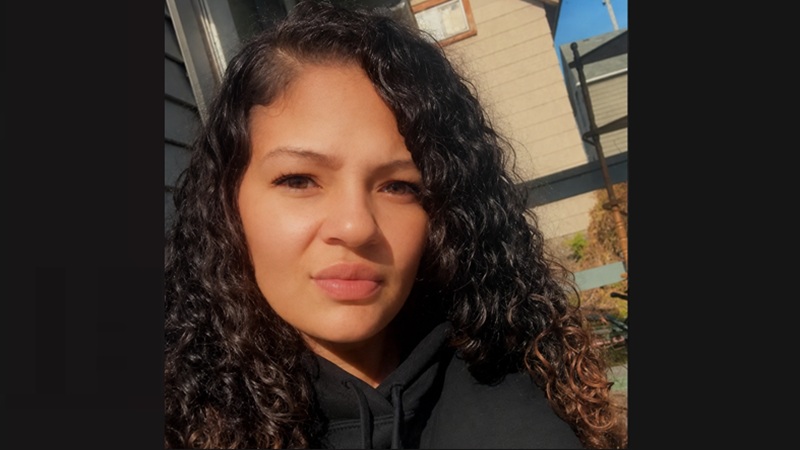
On July 10, 2025, Barkley fatally stabbed Sharmaine Magan Forpahl, 32, inside her Cleveland home in front of her five children. A jury convicted him on June 17, 2026, of aggravated murder, murder, and felonious assault.
On July 30, 2026, Cuyahoga County Common Pleas Judge Kevin Kelley sentenced Barkley to life imprisonment without parole.
For Sharmaine Magan Forpahl, the purpose of the criminal justice system of protecting the innocent and the extra protection of a protective order was tragically hollow.
Every time a prosecutor dismisses repeat offender enhancements, every time a violent criminal receives a bargain that values expediency over accountability, every time a dangerous offender is released with assurances that “this time will be different,” ordinary Americans are asked to accept the risk.
The policymakers never bear that risk.
The judges do not bear it.
The prosecutors do not bear it.
The reform advocates certainly do not bear it.
The burden falls on innocent people who never volunteered to become participants in someone else’s criminal justice experiment.
For Sharmaine’s five children, the consequences are permanent.
They did not merely lose their mother.
According to the evidence presented in court, they witnessed a horror that no child should ever experience. Long after newspaper headlines fade and politicians move on to the next debate, those children will carry memories that cannot be erased by speeches, task forces, or promises that lessons have been learned.
This is the cost of a criminal justice system that measures success by reduced incarceration rather than reduced victimization.
We have become remarkably sophisticated at calculating prison populations. We have become remarkably indifferent to counting broken families.
America’s first obligation has never been to make life easier for repeat violent offenders. Its first obligation is to protect decent, law-abiding citizens.
The purpose of sentencing enhancements is not symbolic. They exist because repeat violent offenders have demonstrated, through their own conduct, that they present an elevated danger to the public.
Parole is not supposed to be an act of blind optimism. It is supposed to reflect a careful judgment that the individual no longer presents an unacceptable risk to the community.
Sharmaine Forpahl should still be raising her children. Those five children should still have their mother. Instead, they have a gravesite to visit and memories no child should ever have to carry.
The court has now ensured that Charles Barkley will never again walk free. That sentence protects future victims. It does nothing for Sharmaine.
The criminal justice system cannot undo what has been done. It can, however, remember why it exists.
Its highest duty is not to accommodate violent offenders.
Its highest duty is to begin to protect innocent people before another family learns, too late, that promises made on paper are no substitute for justice.